
April 2026 marks the 20th Anniversary of the Casa Mea project in Moldova – an initiative providing community homes for adults with disabilities, offering a Christ-centred alternative to state-run institutions.
As Maureen Wise looks back over more than two decades of Casa Mea’s work in Moldova, what overwhelms her is not strategy or success, but wonder: “A sense of wonder at what God has done bordering on astonishment”, she says. From beginnings so small they could easily have been overlooked but God has built something far larger than she ever imagined.
Those beginnings were almost accidental. Walking through the streets of Oradea in Romania, Maureen quite literally bumped into one of her former students, Veronica. Out of hundreds she had taught over the years, this meeting was pure coincidence. Veronica, from Moldova, was back in Romania briefly and, during a long conversation, made a simple comment: “You should come to Moldova.”
The joke at the time … was that only mafia and missionaries went to Moldova.
They parted ways, but Maureen couldn’t shake off the words. At the time, she was reading John chapter 10, reflecting on Jesus as the Good Shepherd who leads his sheep, and whose voice they recognise. “I knew his voice,” she says. Months later, she found herself on a plane to Moldova – an almost empty aircraft carrying just twelve passengers. The joke at the time, she recalls, was that only mafia and missionaries went to Moldova.
What she found was a country in deep distress. After the collapse of the Soviet Union, Moldova entered economic freefall. Power cuts were constant, food and basic supplies scarce, savings wiped out overnight. Institutions housing people with disabilities were among the hardest hit. “There was nobody who seemed to care whether these men and women lived or died,” Maureen says. Corruption meant aid rarely reached those who needed it, and residents were cut off entirely from wider society – and from hearing the gospel.
Raised on London housing estates with no church background, Maureen came to faith as a teenager after a growing sense that the beauty of the world demanded a Creator. Given a Bible at school, she began reading it alone. “I didn’t understand much,” she admits, “but I knew it was true.” Over time, she became convinced that Jesus Christ was the Son of God and the only way to salvation.
A year later, at the Keswick Convention, Maureen stood in response to a call for full-time Christian service. From early on, she sensed that her life’s work would be outside the UK.
“As soon as we spoke about the gospel, they ran to Christ,” …
That calling gradually drew her eastward. Long before the Iron Curtain fell, she visited Eastern Europe, forming deep friendships with believers and witnessing the cost of following Christ under Communism. Alongside this, she trained and worked as a social worker – a preparation she now sees as God’s quiet provision.
In Moldova, amid desperate need, God was already moving. A revival had begun in the late 1980s, and Maureen saw its effects both inside and outside the institutions. With two Moldovan believers, Anea and Liliana, she began visiting a women’s institution regularly. Though cut off from society, the women were spiritually hungry.
“As soon as we spoke about the gospel, they ran to Christ,” she recalls. “There are no walls when it comes to the work of the Holy Spirit.”
Out of prayer and a shared conviction, an idea began to form: could some of these women be moved into ordinary homes, in ordinary villages, with access to church, fellowship, and something resembling normal life? Humanly speaking, it was impossible. No one had done this before. There were no resources, no influence, and a deep stigma surrounding disability
“We were just three very ordinary women,” Maureen says.
Yet obstacle after obstacle fell. Permission came. Casa Mea – “My House” – was registered. The first home opened. From the beginning, the founders made a radical decision: they would not ask for money, but would pray and trust God to provide. More than twenty years on, Maureen says simply, “We have never lacked.”
“They would have been nameless individuals, leading wasted lives. Instead, they are brothers and sisters in Christ.”
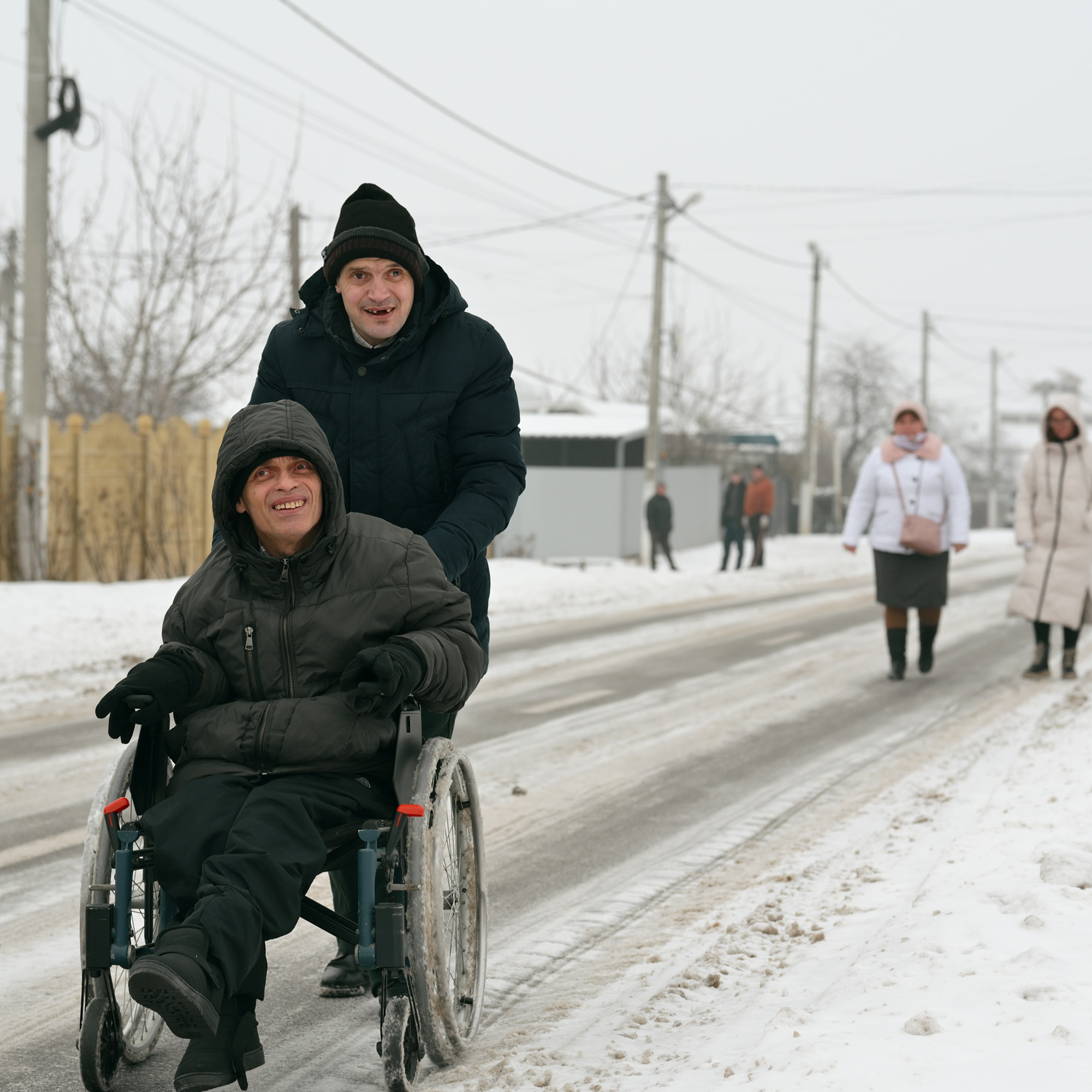
Today, Casa Mea consists of five homes. The men and women who live there are warm, well-fed, clothed, and deeply loved. Many are active members of their local churches, praying with faith and flourishing spiritually. Some, once hidden away for decades, now live with dignity, purpose and even hold jobs. Maureen reflects, “They would have been nameless individuals, leading wasted lives. Instead, they are brothers and sisters in Christ.”
For Maureen, the work has never been about human effort: “This was a work God planned in eternity,” she says, “A God who loves those everyone else has forgotten.” Casa Mea, she believes, is the fruit of revival and a testimony to a God who still saves, restores, and provides – often in the hardest places. If she was to sum up the story of Casa Mea in one sentence, Maureen doesn’t hesitate: “With God, nothing shall be impossible.”
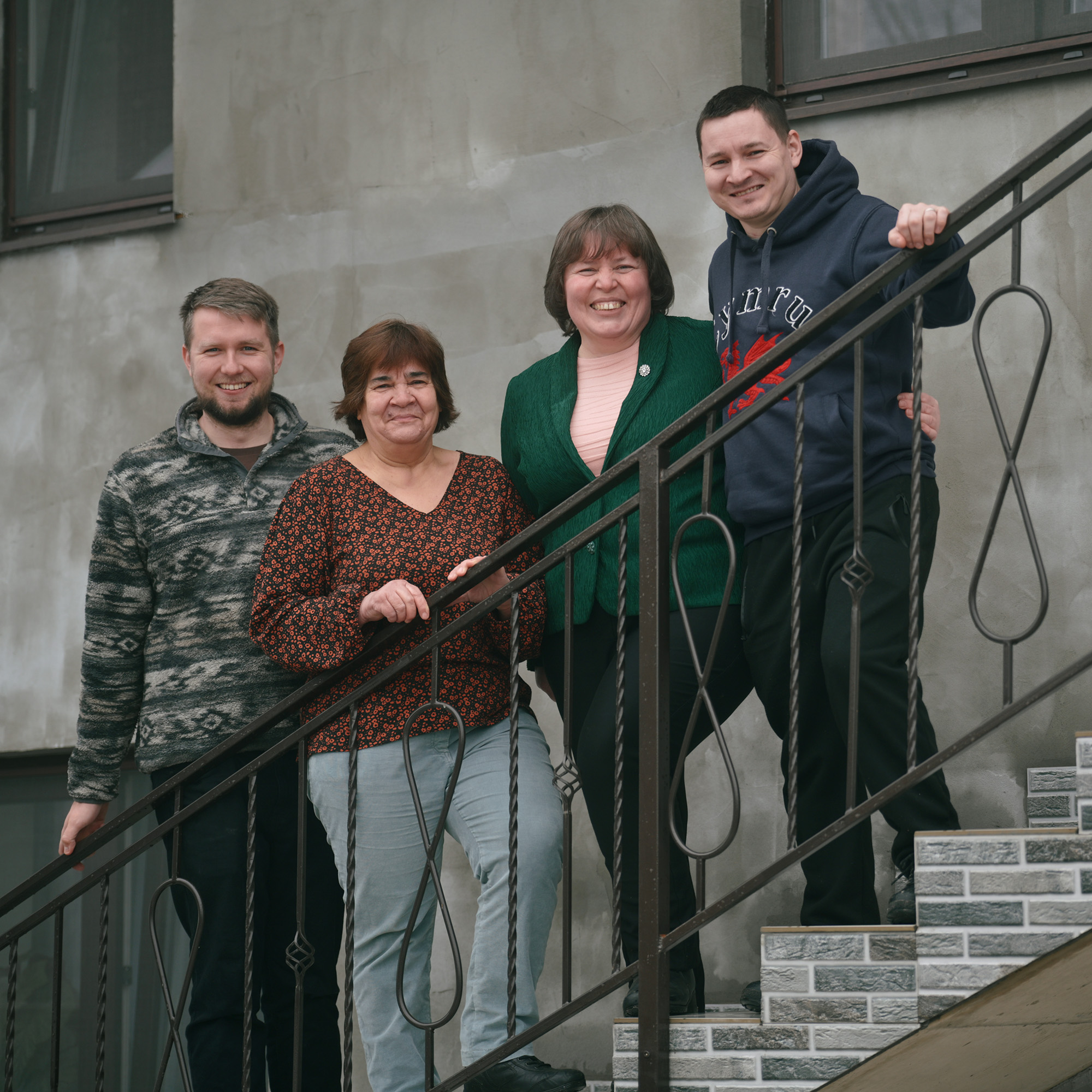
Maureen continues to serve at Casa Mea, travelling between Wales and Moldova. The day-to-day work is overseen on the ground by the Casa Mea manager and UFM Mission Partners Ben and Esther Smith, alongside fellow founders Anea and Liliana, ensuring that the vision continues to flourish. There are now five houses, caring for 27 residents.
This article is drawn from an interview with UFM Mission Partner Maureen Wise, conducted during the filming of a documentary marking the 20th Anniversary of the Casa Mea project in Moldova. You can watch the Casa Mea film here.
Photographs by Matthew Martin:
Main: Ion moved to Casa David in 2025
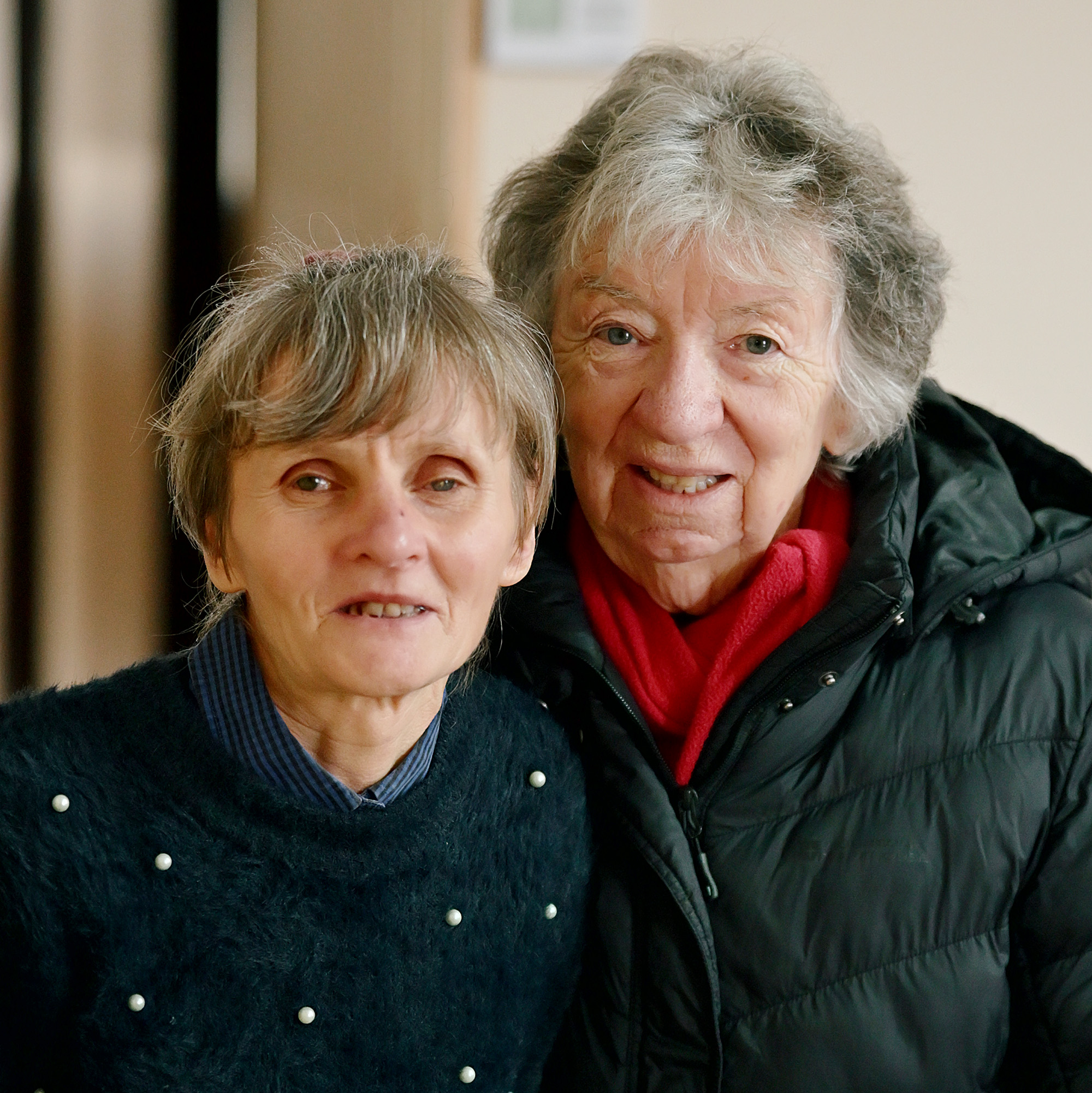
Maureen (right) with Casa Mea resident, Liliana
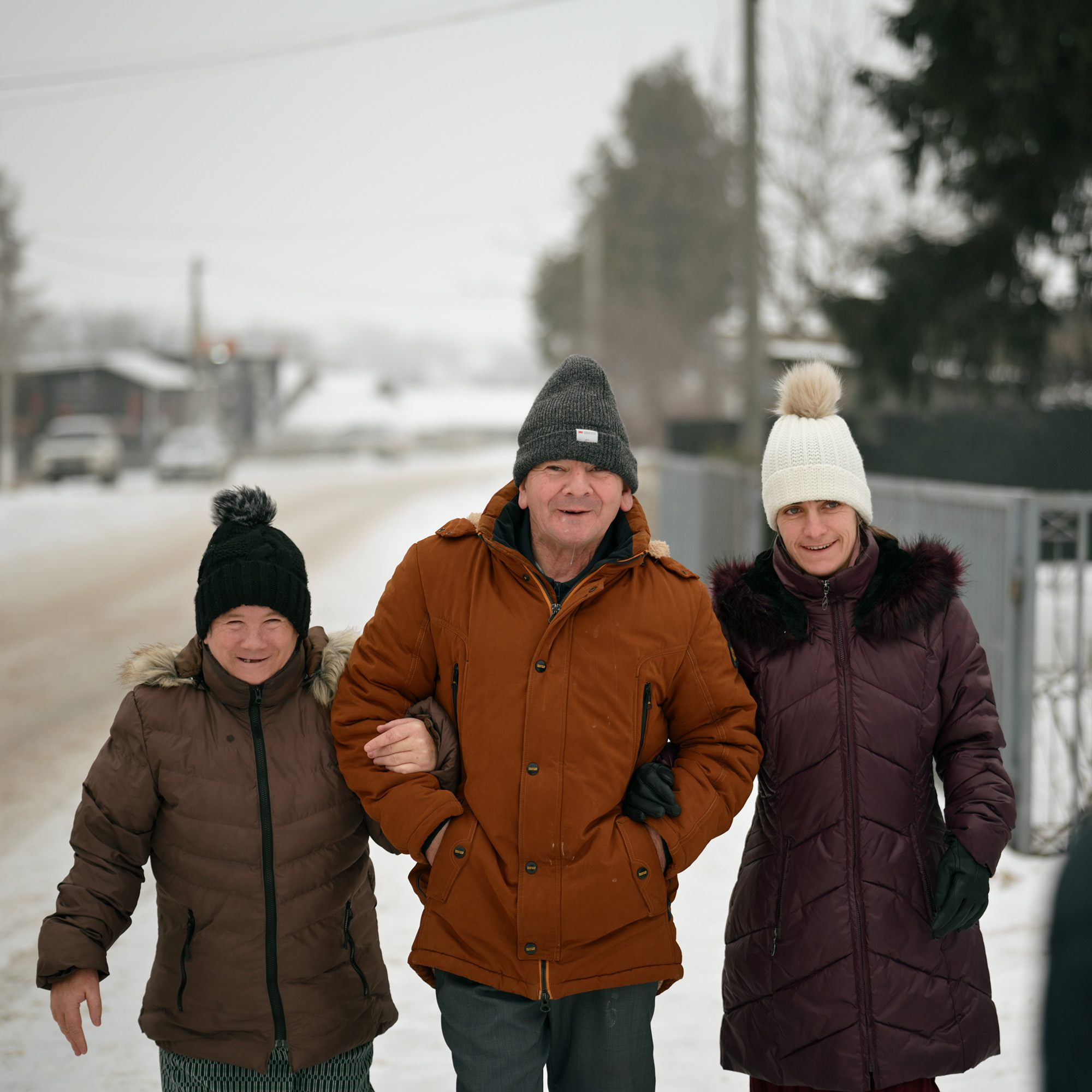
Walking to church in the snow
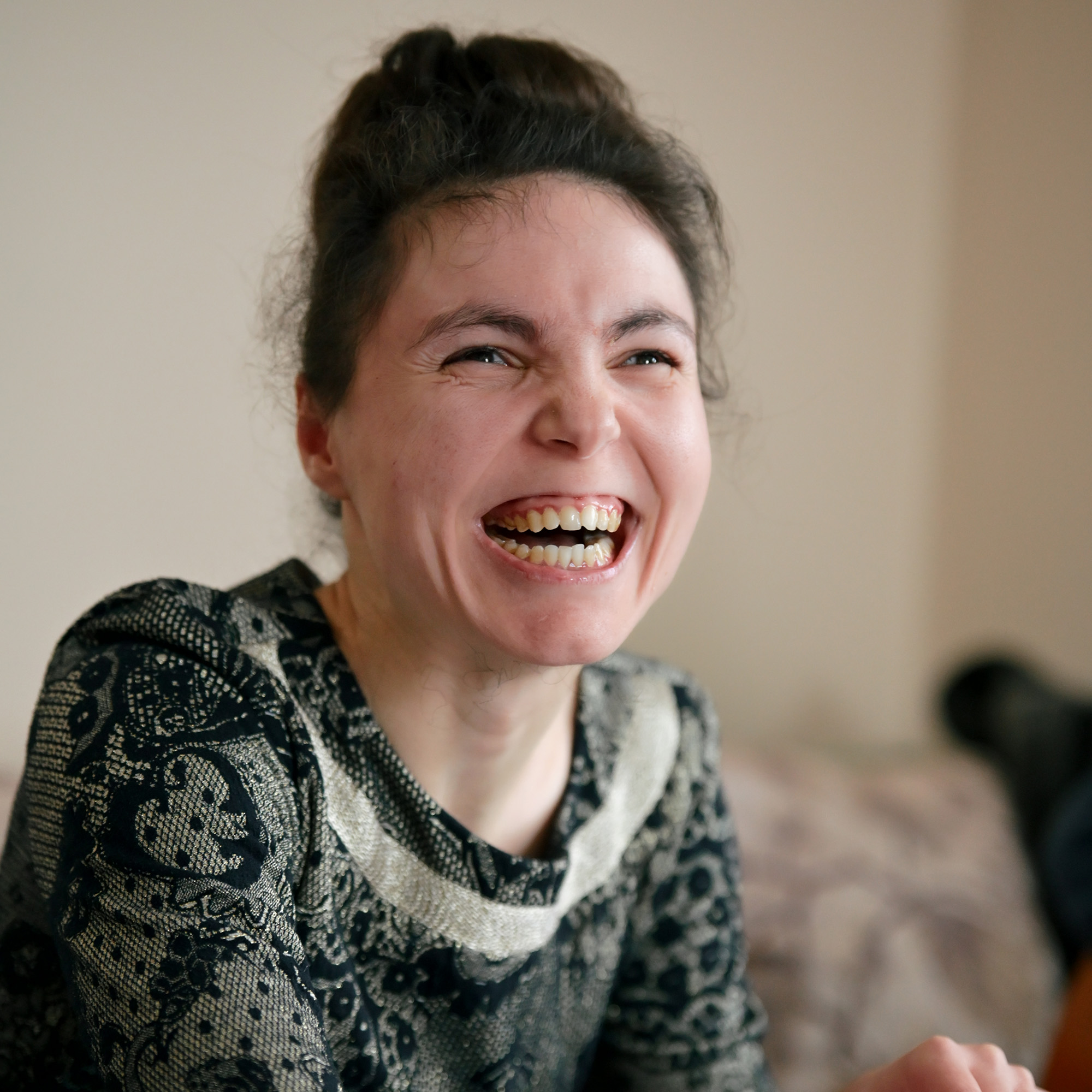
Snejana, Casa Mea resident
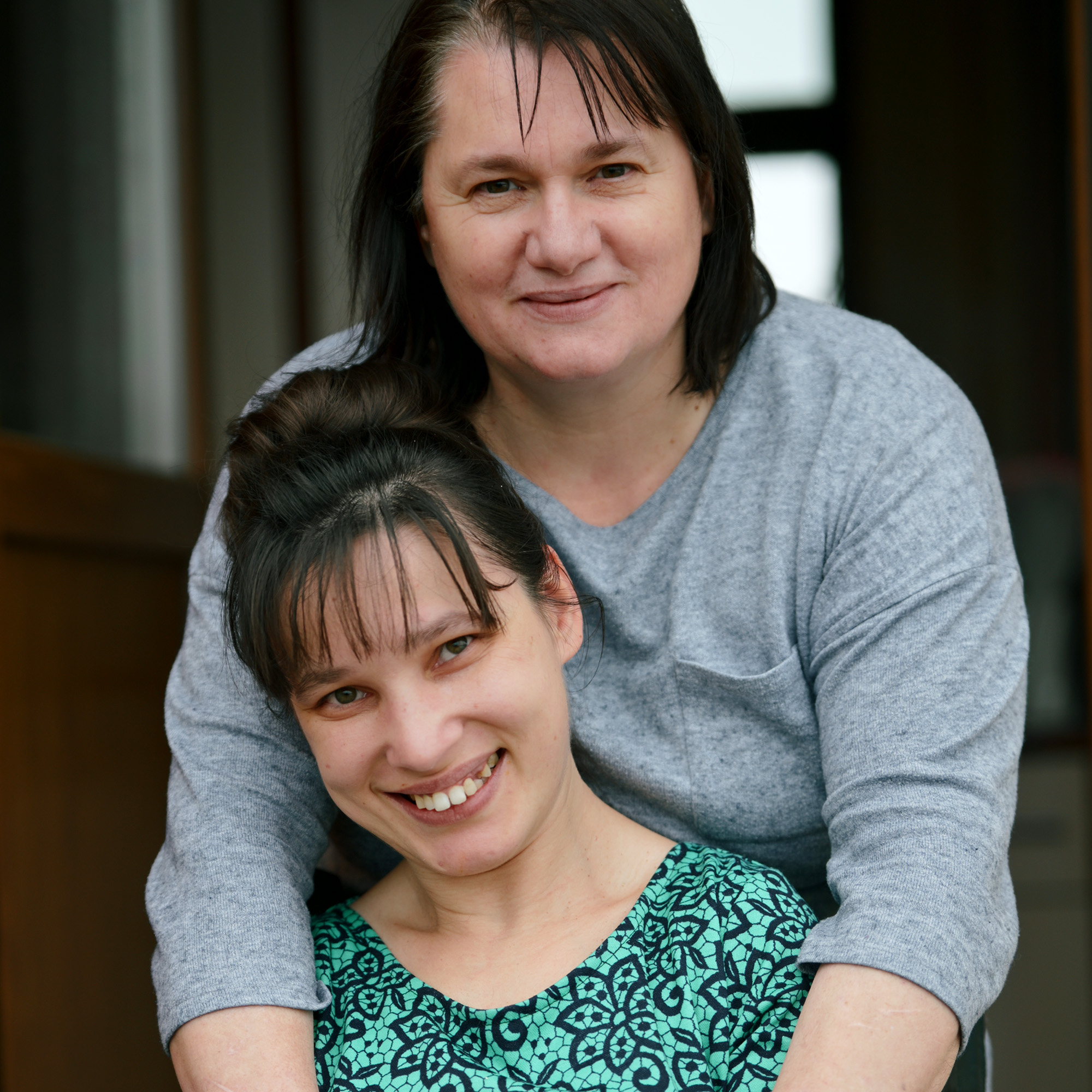
Christina with staff member Lena
On the way to church
The Casa Mea management team